
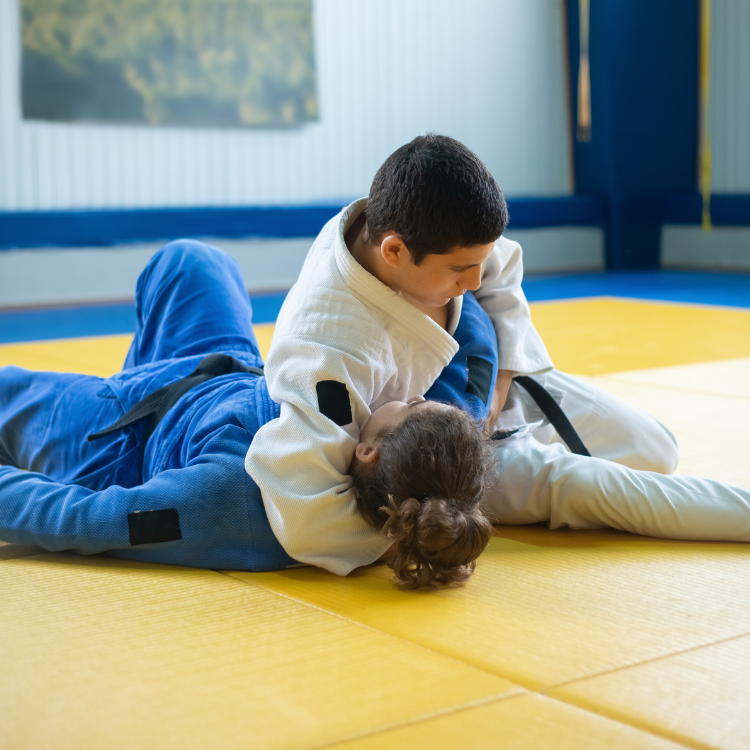
Creating a Safe, Functional Training Area
Many students want more mat time outside the dojo but do not always know how to create a safe and effective training space at home. A good at-home setup does not have to be fancy or expensive. It simply needs to be safe, consistent, and supportive of your practice goals. Whether you are drilling footwork, practicing breakfalls, or working on mobility and conditioning, the environment you train in plays a huge role in reducing injury risk and building confidence.
This guide breaks down the essentials for creating a solid judo practice space at home. The goal is to help you understand what matters, what is optional, and how to build something that fits your home, your budget, and your training schedule.
Choosing a Location in Your Home
Start with the simplest question. Where will you train? Most people use a garage, basement, spare room, or a section of their living room. The key is choosing a spot with:
- Enough room to take controlled falls
- Enough head clearance for stretching and footwork drills
- A solid, even floor
- Good lighting
- Adequate ventilation
For example, a garage is ideal for many people because it has a wide open floor plan and easier cleanup. A spare bedroom can work if space is limited, but you may need to adjust your expectations and stick to drills rather than full movements. The right space depends on your goals. More room equals more options.
Selecting Mats That Fit Your Training Style
Mats are the heart of any judo practice space. You do not need the same surface as a full-sized dojo, but you do need something that can handle breakfalls without punishing your joints.
There are three common choices:
Puzzle mats.
These are easy to set up and store and are great for footwork, stretching, and light practice. They are not ideal for repeated breakfalls.
Folding crash mats.
These provide real impact absorption and are much safer for practicing falls. They can be folded up and placed in a closet or against the wall when not in use.
Tatami-style mats.
These feel closest to what you use in class. They are more expensive and require more space, but they are excellent for consistent practice.
No matter what you choose, make sure the mats lock together securely and do not slide around. Training on unstable mats is one of the most common causes of at-home injuries.
Wall and Floor Safety
Many students forget about walls and corners when they imagine training at home. It is important to pad or protect the areas around your mats so a misstep does not send you into a sharp corner or piece of furniture.
You can use foam wall panels, gym-grade matting, or even thick furniture pads mounted with adhesive strips. The idea is to eliminate hard, sharp, or uneven surfaces near your training zone. If you use a garage or basement, make sure the floor underneath your mats does not have cracks or large slopes.
For families or students who want help making basic home improvements like leveling floors, installing safer lighting, or fixing loose fixtures, many homeowners consult local professionals. For example, homeowners in Texas often turn to the Denton Handyman site for small home projects related to safety, lighting, and basic repairs. It is a good reminder that the training environment is part of your overall wellness.
Lighting and Visibility
Good lighting makes a bigger difference than most people expect. Overhead lighting that casts heavy shadows can make it harder to judge distance or see where your feet are landing. If possible, use bright but diffused lighting.
LED panel lights or daylight bulbs work well. If your training space is a garage, consider installing a dedicated light fixture rather than relying on a single overhead bulb. Secure all cords and fixtures so nothing becomes a hazard.
Ventilation and Temperature Control
If you train at home, you will sweat. Good airflow keeps you comfortable and prevents your space from smelling like a gym bag after a few uses.
For garages, a simple box fan and an open door may be enough. Basements can benefit from a dehumidifier. Spare rooms in your house often have HVAC access, which makes things easy. The goal is to keep the space cool enough that your body does not overheat and dry enough that mats do not get slippery.
Storage for Gear and Equipment
Even if you only have a few pieces of gear, good storage keeps your space clean and prevents tripping hazards. Consider adding:
- A small shelf for belts, tape, and stretching tools
- Hooks for jackets or resistance bands
- A bin for cleaning supplies
- A dedicated place to store mats when not in use
The more organized your space is, the easier it becomes to make training a regular part of your routine.
Training Only Within Your Skill Level
It might be tempting to try new throws or more aggressive breakfalls at home, but your at-home space is better suited for controlled practice. Use the time to build precision, speed, footwork, balance, and fundamental movements. Save more advanced throws and high-impact practice for the dojo, where mats and supervision are in place.
If you have training partners at home, communicate clearly about goals and limits. A safe training session starts with awareness.
Maintaining Your Training Space
Finally, treat your home practice area the same way you treat the dojo. Keep it clean. Sweep or vacuum before training. Wipe down mats. Check for loose corners or shifting sections. Inspect the lighting and make sure storage areas remain tidy.
Consistent maintenance prevents problems from becoming injuries.